
Inclusive, affirming, empowering, person-centered therapy in Georgia and South Carolina.
Offering compassionate support for healing and growth.
Alt Text: A video showing two zebras walking alongside rolling hills. One zebra stops and makes eye contact with the screen. The zebra stands on a grassy hill overlooking a calm body of water, with rolling green hills in the background. White flowers bloom nearby, adding to the serene and natural setting. The text overlay reads, "Therapy That Truly Sees You," emphasizing a message of understanding and support.
Here at The Counseling Zebra, we think zebras, not horses—we value what makes you unique. You don’t have to shrink yourself or fit into someone else’s mold to belong. We see you, we honor your story, and we meet you where you are.
Real people. Real support. Therapy that truly sees you.
Serving all of Georgia and South Carolina virtually, with limited in-person availability in Savannah, Georgia.
Our Specialties
-
What is person-centered therapy?
Person-centered therapy is all about creating a space where you feel heard, valued, and understood—without judgment or pressure. It’s based on the belief that you are the expert on your own life, and the therapist’s role is to walk alongside you, offering support, reflection, and guidance as you navigate your healing. This approach is built on genuine connection, empathy, and unconditional positive regard, meaning you are accepted exactly as you are. Together, we’ll explore your thoughts, feelings, and experiences at your own pace, helping you tap into your strengths, gain insight, and move toward growth in a way that feels right for you.
Who offers it?
All clinicians at the practice.
-
What is therapy through a depathologizing lens?
Therapy through a depathologizing lens starts from the belief that your thoughts, feelings, and behaviors are not flaws to be “fixed,” but meaningful responses to your unique life experiences and environment. Instead of viewing your struggles as signs of something “wrong” with you, this approach recognizes your resilience, survival strategies, and capacity for growth.
In our work together, we’ll explore what’s happening in your life with compassion and curiosity, not judgment, while honoring the cultural, social, and systemic factors that have shaped your journey. You are not a diagnosis or a label, you are a whole person with wisdom, worth, and agency. This approach centers your voice and lived experience, helping you discover new possibilities for healing, self-understanding, and empowerment in a way that feels safe and affirming.
Who offers it?
All clinicians at the practice
-
What is neurodivergent affirming therapy?
Neurodivergent-affirming therapy is about creating a space where you don’t have to mask, shrink yourself, or fit into neurotypical expectations just to be accepted. It’s therapy that recognizes and celebrates the way your brain works, rather than trying to change or “fix” it. As a team, we focus on helping you unpack internalized ableism, process past invalidation, and build self-trust so you can move through the world in a way that honors you.
Who offers it?
All clinicians at the practice
-
At The Counseling Zebra, affirming care for People of the Global Majority means creating a space where Black, Brown, Indigenous, and other non-white clients are deeply seen, heard, and valued. We honor the fullness of your identity and lived experiences while recognizing the impact of systemic racism, colonization, and oppression on mental health.
Our team includes clinicians with different lived experiences, and we acknowledge that some of us hold white privilege. We approach this work with humility, openness, and a commitment to ongoing learning, unlearning, and accountability. We don’t shy away from meaningful or difficult conversations about race, identity, and injustice—because we believe they are essential to healing, growth, and liberation.
All of our clinicians are committed to providing care that is culturally responsive, anti-oppressive, and rooted in social justice—meeting you exactly where you are, without judgment, and centering your voice in the process.Who offers this?
All clinicians at the practice
-
What is it?
2SLGBTQIA+ affirming therapy is about creating a space where you don’t have to explain or defend who you are—you are already seen, believed, and valued exactly as you are. It’s therapy that acknowledges the impact of systemic oppression, past invalidation, and the challenges that come with navigating a world that isn’t always safe or affirming. This isn’t just about being accepting—it’s about actively supporting you in your identity, your experiences, and your right to take up space without fear of judgment.
Whether you’re exploring gender or sexuality, processing past harm, navigating relationships, or simply wanting a therapist who gets it, this is a space where all of you is welcome. Together, we’ll work on unlearning internalized shame, building self-trust, and creating a life that feels authentic and fulfilling for you.
Who offers it?
All clinicians at the practice.
-
What is chronic conditions affirming therapy?
Chronic illness and chronic conditions affirming therapy is about creating a space where your experiences are validated, your struggles are acknowledged, and your whole self—not just your diagnosis—is seen and supported. Too often, people with chronic conditions are dismissed, invalidated, or told it’s “all in their head.” This therapy is the opposite of that. It’s a place where you don’t have to prove your pain or justify your experience.
I recognize that chronic illness impacts more than just the physical—it affects your mental health, relationships, identity, and daily life in ways others may not understand. Together, we’ll navigate the emotional toll of living with a chronic condition (or a dozen), process medical trauma, unpack internalized ableism, and explore ways to advocate for yourself while honoring your body’s needs. Most importantly, this is a space where you are believed, supported, and empowered to move through life in a way that works for you.
Who offers it?
All clinicians at the practice
-
What is affirming and empowerment-based therapy?
Affirming and empowerment-based therapy is about creating a space where you feel truly seen, heard, and valued—exactly as you are. It means honoring your identity, experiences, and emotions without question or judgment, while also recognizing the systemic barriers and past invalidation you may have faced. This kind of therapy isn’t about telling you what to do—it’s about supporting you in reclaiming your voice, your autonomy, and your sense of self. The therapist’s role is to walk alongside you, offering validation, tools, and guidance as you build self-trust, step into your power, and move toward healing in a way that feels right for you.
Who offers it?
All clinicians at the practice.
-
What is attachment-based therapy?
Attachment-based therapy is all about exploring how your past relationships and experiences have shaped the way you connect with others and see yourself. It helps uncover patterns in your relationships—whether with partners, family, or friends—and how those patterns might be impacting you now. This approach isn’t about blaming the past but about understanding it so you can move forward with more security, self-trust, and healthier connections. In therapy, we’ll work together to identify your attachment needs, heal from past wounds, and create a stronger sense of emotional safety, both within yourself and in your relationships.
Who offers it?
Rowan
Jada
Tara
-
What is it?
Trauma-informed therapy is about creating a space where you feel safe, supported, and in control of your healing process. It recognizes that trauma isn’t just about big, obvious events—it can also be recurring, relational, or deeply ingrained in everyday experiences. Whether it’s childhood neglect, chronic invalidation, systemic oppression, or feeling unseen in your relationships, trauma-informed therapy acknowledges the full spectrum of what trauma can look like.
This approach isn’t about forcing you to relive painful experiences or rushing your healing. Instead, it’s about moving at your pace, building safety and trust first, and making sure you always have choice and agency in the process. It prioritizes nervous system regulation, emotional safety, and self-compassion, so you can unlearn survival patterns that no longer serve you and reconnect with your sense of self. Most importantly, it validates your experience—because your pain is real, your responses make sense, and you deserve a space where you feel truly seen, believed, and empowered.
Who offers it?
All clinicians at the practice
-
What is it?
Therapy for CPTSD is about creating a safe, steady space where you can begin to untangle the impact of long-term trauma without feeling rushed, judged, or dismissed. Complex PTSD isn’t just about the big, obvious traumas—it’s also about the slow burn of repeated invalidation, neglect, or harm that has shaped how you see yourself, your relationships, and the world around you.
In therapy, we focus on safety and stability first—you don’t have to relive everything all at once to heal. We’ll work on building regulation skills, unlearning survival patterns that no longer serve you, and reconnecting with your sense of self outside of trauma. Self-compassion and self-esteem are huge parts of this work—many people with CPTSD carry deep feelings of shame, self-doubt, or unworthiness, and therapy is a space to gently challenge those beliefs. Through inner child work and attachment-focused therapy, we’ll explore past wounds, process unmet needs, and help you build a more secure and compassionate relationship with yourself.
Healing from CPTSD isn’t about “getting over it”—it’s about learning to move forward in a way that honors your past while creating a future that feels more secure, empowered, and truly yours.
Who offers it?
All clinicians at the practice
-
What is our approach?
Relationships are at the heart of our lives—they can bring us deep connection, love, and security, but they can also bring pain, miscommunication, and emotional wounds. If you and your partner(s) feel stuck in repeating patterns, struggling to communicate, or disconnected from the relationship you once had, you’re not alone—and more importantly, there’s a way forward.
At our practice, we approach couples counseling with compassion, understanding, and evidence-based techniques that actually work. We integrate Emotionally Focused Therapy (EFT) and The Gottman Method, two of the most research-supported approaches to helping couples rebuild trust, deepen intimacy, and create relationships that feel safe, supportive, and fulfilling.
Emotionally Focused Therapy (EFT): Healing Through Connection
EFT is rooted in the understanding that relationships thrive when both partners feel emotionally secure. Conflict, distance, and resentment often stem from unmet emotional needs, attachment wounds, and fear of vulnerability. Through EFT, we help you and your partner(s):
Recognize and shift negative cycles that keep you feeling disconnected or misunderstood.
Understand your underlying emotions and needs so you can express them in a way that brings you closer instead of pushing each other away.
Rebuild trust and emotional safety so that you can communicate with openness, curiosity, and compassion.
The Gottman Method: Strengthening the Foundations of Your Relationship
Alongside EFT, we use The Gottman Method, a structured and research-backed approach based on decades of studying what makes relationships succeed—or fail. We help you:
Improve communication by teaching skills to express your needs clearly and listen with empathy.
Build or rebuild trust through understanding, repair work, and shared meaning.
Increase emotional and physical intimacy by fostering connection, affection, and appreciation.
Manage conflict in a healthy way by shifting from criticism and defensiveness to curiosity and problem-solving.
A Nonjudgmental, Affirming Space for All Relationships
We believe that all relationships—monogamous, non-monogamous, queer, neurodiverse, interracial, and beyond—deserve care and support. We create a space where you can be your authentic selves, free from judgment, knowing that your relationship is honored and respected.
Couples therapy isn’t just about “fixing problems”—it’s about deepening connection, understanding each other more fully, and learning how to navigate life together with more security and love. Whether you’re struggling with communication, trust, intimacy, or simply feeling disconnected, we’re here to help you and your partner(s) find your way back to each other.
Who offers it?
Tara
-
What is it?
Fat-liberation oriented therapy is about creating a space where you don’t have to justify your body, your experiences, or your worth. It actively rejects diet culture, weight stigma, and the idea that your value is tied to the size of your body. Too often, fat people are dismissed, shamed, or made to feel like their struggles aren’t valid unless they’re trying to shrink themselves. This therapy is the opposite of that—it’s a space where you are seen, respected, and supported exactly as you are.
This approach acknowledges the harm of anti-fat bias, medical fatphobia, and the emotional toll of existing in a world that constantly tries to shrink you. Together, we work on unlearning internalized shame, reconnecting with your body in a way that feels safe, and building self-trust and self-compassion. Whether you’re navigating medical trauma, body image struggles, or just need a therapist who gets it, this is a place where your lived experience is honored, your body is never the problem, and your healing isn’t dependent on changing who you are.
Who offers it?
Rowan
-
What is therapy for PMDD?
Holistic therapy for PMDD means looking at the whole picture—your mind, body, emotions, relationships, and the systems you exist within. PMDD isn’t just about mood swings or painful cycles; it’s about the way your entire life can feel disrupted every month. It’s the emotional whiplash, the exhaustion, the feeling of being a completely different person for part of the month, and the grief of constantly rebuilding yourself.
Too often, women and AFAB individuals struggling with PMDD are misdiagnosed with mood disorders like bipolar disorder or major depression, when in reality, their symptoms follow a cyclical hormonal pattern. The medical system has a long history of dismissing women’s pain and pathologizing normal emotional responses, which can leave many feeling unheard, invalidated, and unsupported. Therapy is a space to unpack that frustration, process the emotional toll of medical gaslighting, and reclaim trust in yourself and your experiences.
In therapy, we focus on understanding your patterns, tracking symptoms, and developing tools to support you throughout your cycle—not just during the hardest days, but all month long. We work on nervous system regulation, self-compassion, and practical strategies to help you navigate the shifts in mood, energy, and emotional intensity. We also explore the deeper impact—unpacking medical trauma, the strain PMDD can put on relationships, and the self-doubt that can come from being misdiagnosed or dismissed.
A holistic approach means your healing isn’t just about coping—it’s about learning to work with your body instead of fighting against it. We integrate mindfulness, boundary-setting, treatment exploration, and attachment-focused support to help you feel more grounded, empowered, and prepared for each cycle. PMDD can be brutal, but you don’t have to navigate it alone. Therapy is a space where you are truly seen, validated, and supported in creating a life that works for you, not just around your symptoms.
Who offers it?
Rowan
-
What is therapy for depression and anxiety?
Our approach to treating depression and anxiety is person-centered, affirming, and rooted in mindfulness, empowerment, and social justice. That means therapy isn’t about trying to "fix" you—it’s about creating a space where you feel seen, understood, and supported as you define what healing looks like. Depression and anxiety don’t exist in a vacuum, and I believe it’s essential to acknowledge the systemic, relational, and internal factors that contribute to your experiences, rather than placing all the blame on the individual.
In our work together, we’ll explore what’s underneath the anxiety or depression—the pressures, invalidations, and survival strategies that have shaped the way you move through the world. Instead of just focusing on symptom relief, we’ll work on self-compassion, emotional regulation, and unlearning the messages that tell you your worth is tied to productivity, perfection, or meeting other people’s expectations.
A mindfulness-based approach means tuning into your emotions, thoughts, and body in a way that fosters curiosity instead of judgment. We’ll explore grounding techniques, nervous system regulation, and ways to reconnect with yourself in the present moment. An empowerment-based and social justice lens means recognizing how oppression, trauma, and lived experience shape mental health—and working together to reclaim your agency, voice, and self-trust.
You don’t have to fight through this alone, and you don’t have to “fix” yourself to be worthy of peace, joy, or rest. Therapy is a space where you can process, heal, and find new ways to move through the world that feel authentic, sustainable, and yours.
Who offers it?
All clinicians at the practice.
-
What is therapy for emotional regulation?
Our approach to emotional regulation isn’t about suppressing or controlling emotions—it’s about understanding them, making space for them, and learning how to move through them in a way that feels supportive rather than overwhelming. Emotions aren’t the problem; the problem is that many of us were never taught how to process them safely. Whether you grew up in an environment where emotions weren’t validated, you had to push them down to survive, or you feel like they hit too hard and too fast, therapy is a space to unlearn old patterns and build a new relationship with your emotions.
We focus on awareness, self-compassion, and nervous system regulation—helping you notice what’s happening in your body, recognize emotional patterns, and develop tools to navigate intense feelings without shutting down or feeling consumed by them. This might include mindfulness techniques, grounding exercises, distress tolerance techniques, self-soothing strategies, and exploring how past experiences have shaped your emotional responses.
We also approach emotional regulation through a trauma-informed, attachment-based, and social justice lens—understanding that emotional dysregulation isn’t just an individual issue; it’s often shaped by systemic stress, relational trauma, and chronic invalidation. Our goal isn’t to make you “less emotional” but to help you build self-trust, resilience, and the ability to honor your emotions without feeling controlled by them.
Who offers it?
All clinicians at the practice
-
What does self care and stress management look click in therapy with us?
Self-Care and Stress Management in Therapy: More Than Just Bubble Baths and Deep Breaths
Self-care and stress management are often framed as things you do—taking a walk, journaling, meditating—but real self-care goes deeper than that. It’s not just about what you do, but how you relate to yourself in the process. At our practice, we don’t see self-care as another task on your to-do list or something that should feel like a burden. Instead, we help you build a self-care practice that is sustainable, authentic, and actually works for you.
We approach stress management through an emotional regulation lens, helping you understand and work with your nervous system rather than against it. Stress isn't just in your head—it’s in your body, your relationships, and the world around you. We teach skills from mindfulness, DBT, and ACT to help you navigate big emotions, tolerate distress, and build resilience, but we also recognize that no single tool works for everyone. That’s why our work is person-centered and affirming, meaning we tailor every session to what you need, not what a textbook says you “should” do.
Self-care isn’t just about finding the “right” coping skills—it’s about giving yourself permission to take up space, to rest, to set boundaries, and to honor your own needs without guilt. We help you unlearn the narratives that say your worth is tied to productivity or that caring for yourself is selfish. Instead, we work with you to build a self-care and stress management approach that is rooted in self-compassion, authenticity, and a deep understanding of your lived experience.
If you’ve ever felt like self-care is just another thing you’re “failing” at, we’re here to tell you: that’s not the case. Real self-care isn’t about perfection—it’s about presence, and we’re here to help you find what that looks like for you.
Who offers it:
All clinicians at the practice
-
What does it look like?
At our practice, we understand that mood disorders, including bipolar disorder, major depression, and cyclothymia, are not just about mood swings or feeling "too high" or "too low." They are complex, deeply personal experiences that affect emotions, energy, relationships, and the way you move through the world. If you’ve ever felt like no one truly understands what you're going through—or if you’ve been dismissed, misdiagnosed, or told to "just manage it"—we want you to know: we see you. We hear you. And we believe you.
A Holistic, Person-Centered Approach
We recognize that no two people experience mood disorders in the same way, which is why our treatment approach is never one-size-fits-all. Whether you struggle with overwhelming lows, unpredictable highs, or the exhausting cycle of both, we tailor our work to your unique experience, challenges, and goals. Our therapy is person-centered and affirming, meaning we don’t just focus on symptom management—we focus on you as a whole person, not just a diagnosis.
Trauma-Informed & Strengths-Based Care
For many people, mood disorders don’t happen in isolation. Trauma, systemic oppression, invalidation, and past experiences with mental health stigma can all impact how you relate to yourself, your emotions, and the world around you. We take a trauma-informed approach, recognizing that emotional ups and downs are not just "chemical imbalances" but are often shaped by lived experience, nervous system responses, and survival mechanisms.
Instead of just focusing on what feels “wrong,” we also help you identify your strengths—the resilience that has gotten you this far, the creativity and depth that so many people with mood disorders have, and the ways you can build a life that feels more stable and fulfilling.
Emotional Regulation, Mindfulness, and Evidence-Based Support
We incorporate a variety of evidence-based approaches to help you manage your mood in a way that feels empowering, not restrictive. This includes:
DBT (Dialectical Behavior Therapy) for emotional regulation, distress tolerance, and building stability.
ACT (Acceptance and Commitment Therapy) to help you move toward what matters most, even when symptoms feel overwhelming.
Mindfulness-based practices to increase self-awareness, balance, and presence.
Exploring medication support when needed, always in collaboration with your medical team.
Validation, Not Judgment
If you’ve ever felt dismissed in therapy before—told that your emotions were “too extreme” or that you needed to just “stick to a routine”—we’re here to do things differently. You deserve care that is validating, nuanced, and built around what actually works for you. We take the time to understand what your mood disorder looks like and how it impacts your life, so we can support you in a way that feels safe, effective, and sustainable.
Mood disorders don’t define you—but having the right support can make a world of difference. You don’t have to navigate this alone. We’re here, ready to meet you where you are.
Who offers it?
Beth
-
At The Counseling Zebra, we offer solution-focused therapy as a powerful and affirming approach for clients seeking clarity, direction, and tangible progress. This method centers on your strengths, resilience, and the goals that matter most to you—rather than dwelling on problems or past struggles. In our work together, we’ll explore what’s already working in your life, identify small, manageable steps forward, and build on your inner resources to create lasting change. Whether you're navigating life transitions, relationship challenges, chronic stress, or emotional overwhelm, solution-focused therapy can help you reconnect with your sense of agency and envision a future that feels more grounded, empowered, and aligned with your values.
Our therapists use solution-focused strategies in a warm, collaborative, and nonjudgmental space where your voice leads the process. We understand that healing doesn’t always have to mean rehashing pain—instead, we support you in identifying clear goals, noticing shifts, and celebrating each step of progress. This approach is especially effective when paired with our trauma-informed and person-centered care, offering both hope and momentum as you work toward the life you want to live.
Who offers it?
All clinicians at the practice.
You’ve spent too much time feeling unheard, unseen, or like you don’t quite fit. Maybe you’ve been told you’re too much, or maybe you’ve learned to hide parts of yourself just to feel safe. Maybe you’ve been ghosted by people you trusted, leaving you confused, hurt, and anxious about forming new connections. Maybe you’ve been bullied just for being you, making it hard to show up authentically without fearing rejection. Maybe you feel like the black sheep in your family, like nothing about you or your choices will ever be good enough. Or maybe you’ve sat through appointment after appointment, only to walk away feeling dismissed, unheard, and told it’s all in your head.

Here, you don’t have to justify your feelings or prove your pain—we believe you. Healing starts with feeling truly understood, and that’s why we listen—not just to reply, but to get you. You are the expert on your own experience, and we’re here to walk beside you, creating a space where you can show up fully, without fear or judgment.
We provide person-centered, social justice-based, and affirming counseling, integrating a variety of approaches, including ACT, DBT, attachment-based therapy, emotionally focused therapy, art therapy, and other holistic modalities. Our clients leave therapy with greater self-compassion, a deeper awareness of their strengths, improved emotional regulation and grounding skills, stronger self-advocacy, boundary-setting, and communication abilities—all while feeling truly seen, validated, and understood

Our Services
We provide a safe and supportive space for healing and growth. We focus on you as a whole person. We offer professional guidance to help you navigate life’s challenges.
Our counseling services offer personalized one-on-one sessions, couples therapy, and support groups designed to help individuals overcome challenges, feel supported, and thrive. Using evidence-based, strengths-focused, and person-centered approaches, we provide compassionate, affirming support. We assist clients with life transitions, stress management, developing personalized coping strategies, increasing resources, and fostering connections within their community.

Individual
We believe in accessibility with a focus on safety for our most vulnerable community members, which is why all of our services are offered remotely.
Limited in-person appointments are available with Rowan.
We are currently only serving clients in the state of Georgia.

Couples
Our clinicians use a variety of modalities, including Emotionally Focused Therapy and Gottman Method Therapy, to help couples build deeper, more connected relationships. We focus on communication, emotional dynamics, and strengths, guiding partners toward a deeper understanding of each other. Our work goes beyond resolving conflict and strengthening intimacy—we help couples explore underlying emotions and attachment needs, fostering greater emotional security and connection. By building shared meaning, we aim to support partners in creating a relationship rooted in trust, understanding, and mutual growth.

Photo from disabled and here, linked to photo
Groups
Discover the strength of connection with our group support services, where individuals facing similar challenges come together in a safe space to share, heal, and grow.
Meet the Team
-
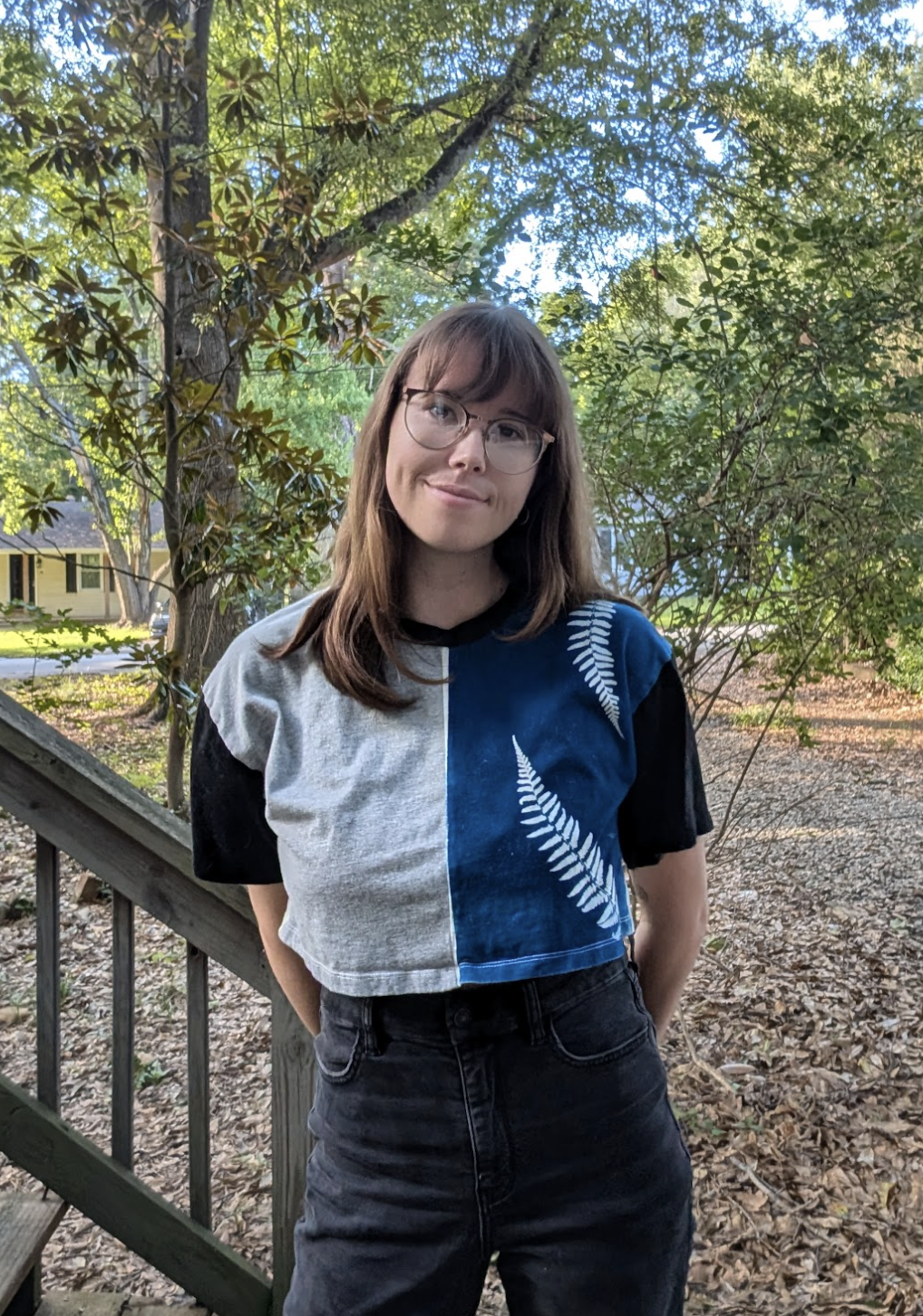
Cait Fogerty, MS
She/her/hers
Georgia remotely
Master’s Level Counselor
Weekday and evening availability
-

Jada Gibson, APC, NCC
She/her/hers
Georgia remotely
Associate Professional Counselor
Offers weekday and evening availability.
-

Tara Tresslar, LPC, NCC
She/her/hers
Georgia & South Carolina remotely
Licensed Professional Counselor
Offers early morning and daytime availability with some weekends.
-

Rowan Yonenson, LPC, ATR, NCC, ASDCS
She/her/hers
Georgia & South Carolina remotely with limited in person availability in Savannah, Georgia
Practice Owner/Clinical Director/Clinical Licensed Professional Counselor and Art Therapist/ Autism Spectrum Disorder Clinical Specialist
Sunday, Monday, and Tuesday morning-evening availability

To work with us, schedule a free consultation now by clicking “Schedule a free consultation call” below.
Please let us know which clinician you would like to work with and if you are interested in individual sessions, couples sessions, and/or our groups.
We will schedule a consultation call with the therapist you requested. Once the appointment is confirmed, you will receive a Telehealth link where you will meet for your video consultation. From there, your therapist will schedule an intake session with you if the two of you are a good fit.
We understand that no two individuals are the same, which is why we use an eclectic, client-centered approach, tailoring therapy to meet your specific needs, strengths, and goals. Whether you’re seeking support for personal growth, healing from past trauma, managing life transitions, or navigating systemic barriers, we are here to walk alongside you with compassion, respect, and unwavering advocacy.
No matter where you are on your mental health journey, we are committed to providing a safe, affirming space where you feel heard, valued, and supported. Together, we’ll work toward healing, growth, and a future that aligns with your values and aspirations.
Process
At The Counseling Zebra, LLC, we are committed to providing a wide range of remote counseling services designed to meet your unique mental health needs.
We take a holistic, social justice-oriented approach to mental health care, recognizing that healing is deeply personal and influenced by the unique intersections of your identity, lived experiences, and environment. Our practice integrates mindfulness, goal-setting, and evidence-based techniques to empower you in creating meaningful, lasting change.
Use the calendar below to schedule a free 15-minute consultation phone call with the therapist you would like to work with, or you can contact us through the contact form for help scheduling a free 15-minute video chat consultation!

Schedule a consult call
Fill out some info, and we will be in touch shortly! We can't wait to hear from you!